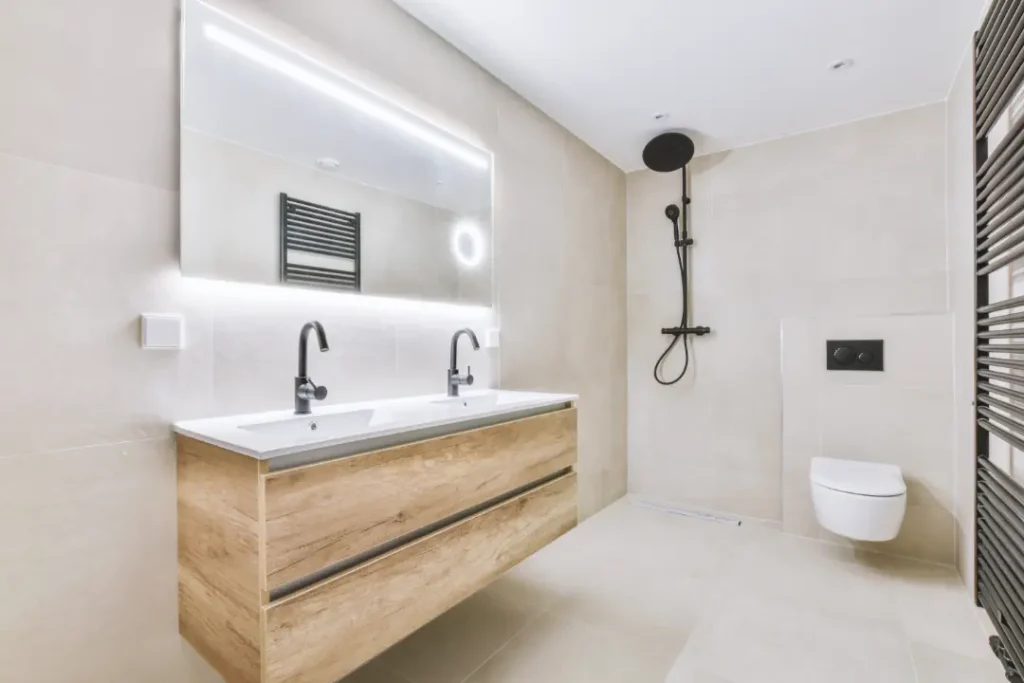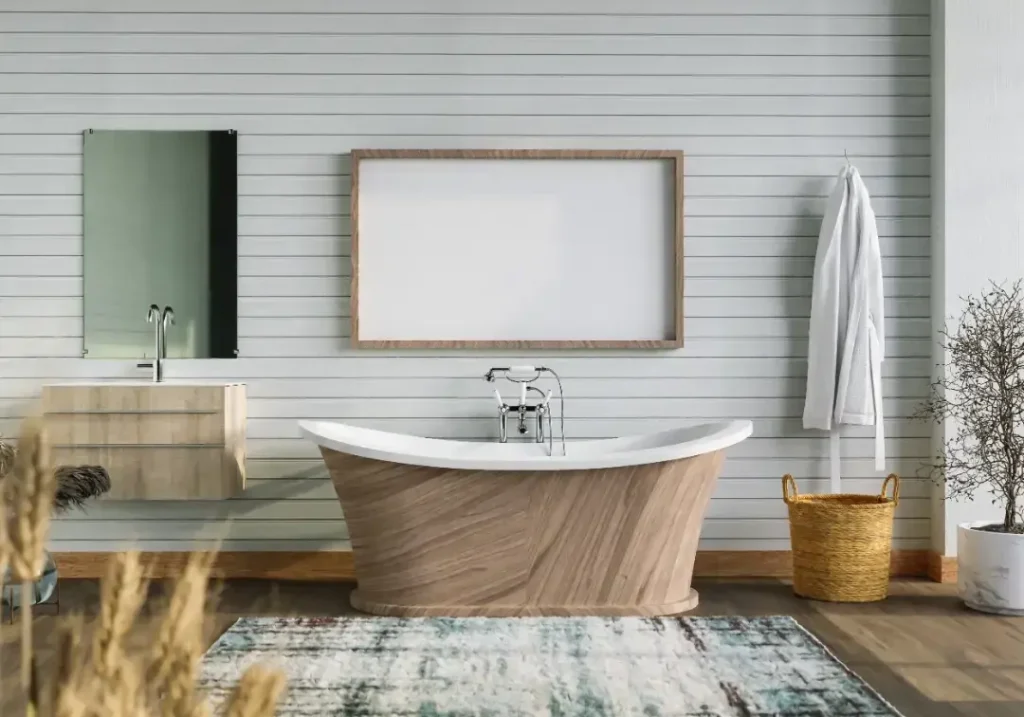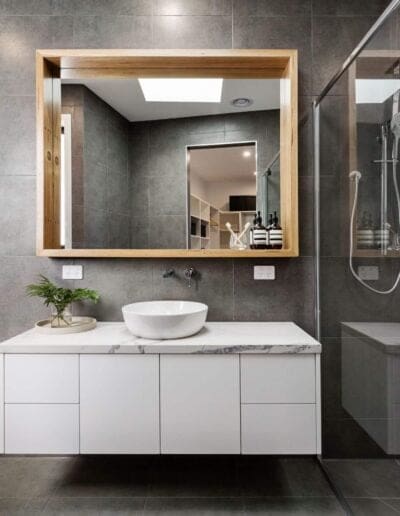
Wet rooms turn the whole bathroom into a waterproof, walk-in shower space. They look sleek, feel bigger, and suit step-free access. But a wet room is only as good as its tanking, falls, and drainage. In this guide, we explain how wet rooms differ from walk-in showers, what the installation process involves, and the main costs to expect in London.
You’ll also find design ideas, material tips, building-regulation checks, and comfort upgrades like underfloor heating and ventilation.
What Are Wet Rooms and Why Choose Them for Your Home?
Wet rooms are fully waterproofed bathrooms that feature a walk-in shower area without the need for a shower enclosure. This design allows for a more open and spacious feel, making it an attractive option for modern homes. The primary advantage of wet rooms is their versatility; they can be designed to fit various styles and sizes of bathrooms, making them suitable for both small and large spaces.
Choosing a wet room over a traditional bathroom can significantly enhance the overall aesthetic of your home. They are particularly beneficial for individuals with mobility issues, as the absence of barriers makes them more accessible.
Furthermore, wet rooms may increase the value of your property in some cases, appealing to potential buyers who appreciate modern and functional designs.
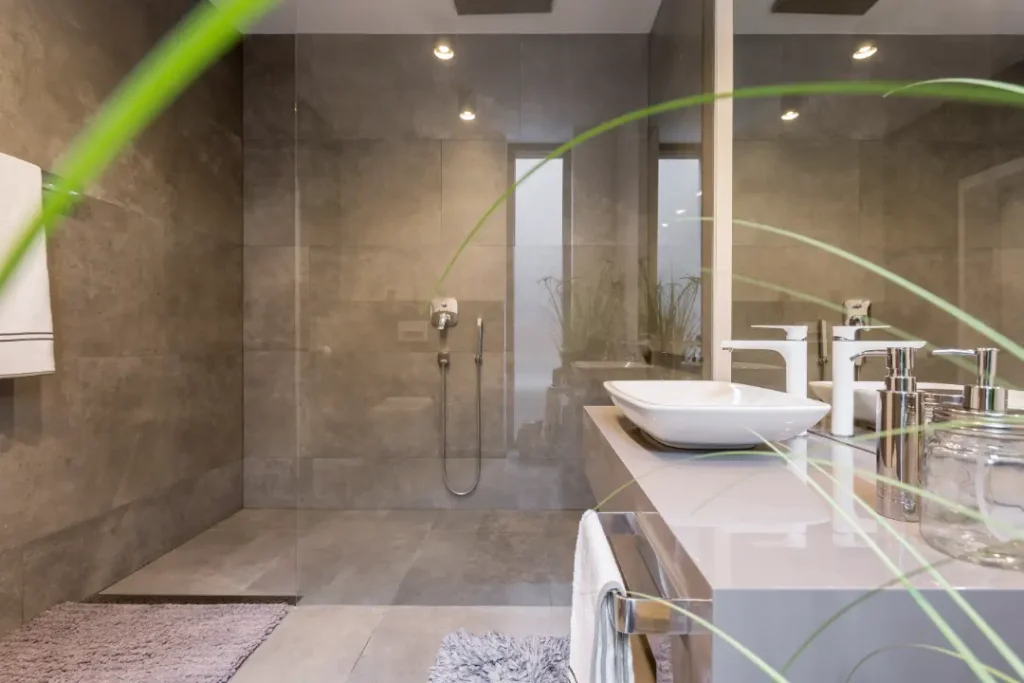
Wet Room vs Walk-In Shower: Layout and Waterproofing
While both wet rooms and walk-in showers offer a modern bathing experience, they differ in design and functionality. A walk-in shower typically features a defined enclosure or screen, while a wet room is an open space where the entire room is waterproofed.
This distinction allows for greater design flexibility and can create a more spacious feel in the bathroom.
In terms of functionality, wet rooms provide a more seamless transition between the shower area and the rest of the bathroom.
This can be particularly advantageous in smaller spaces where maximising floor area is essential. Additionally, wet rooms can accommodate various design elements, such as built-in shelving and benches, enhancing both usability and style.
Key Wet Room Benefits: Access, Style, Space
- Accessibility: Wet rooms are ideal for individuals with mobility challenges, as they eliminate the need for steps or barriers.
- Aesthetic Appeal: The sleek, modern design of wet rooms can enhance the overall look of your bathroom, making it a focal point in your home.
- Increased Property Value: A well-designed wet room may help support your home’s market value, appealing to prospective buyers.
These benefits make wet rooms a popular choice for homeowners looking to upgrade their bathrooms.
How to Design a Luxury Wet Room: Ideas and Material Choices
Designing a luxury wet room involves careful consideration of materials, layout, and style. The right choices can transform a functional space into a relaxing, spa-like room.
London Wet Room Trends
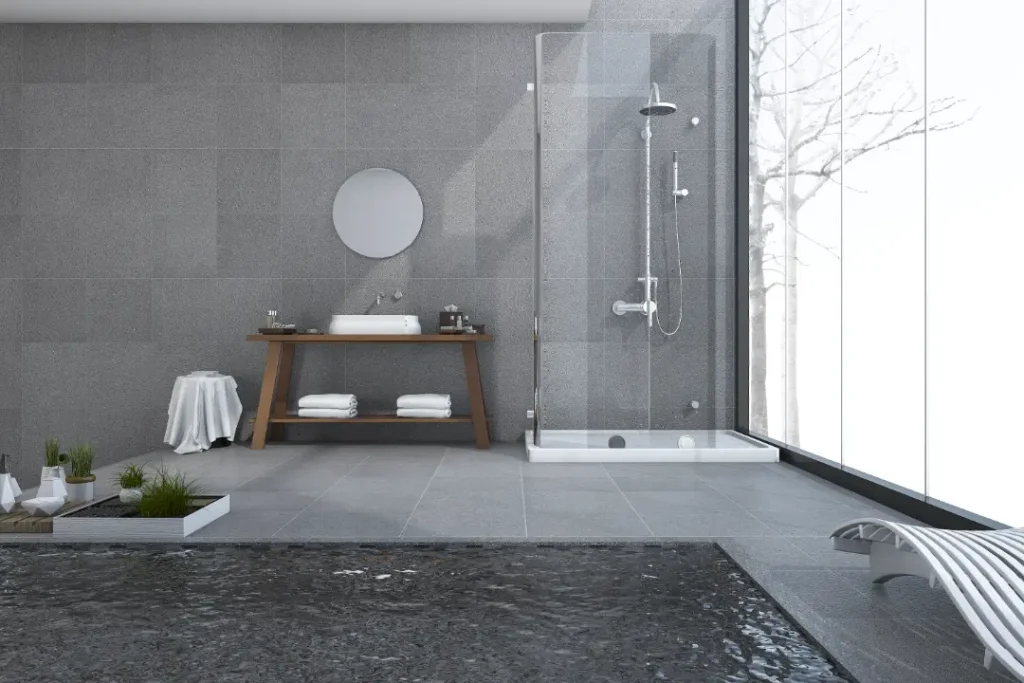
Current trends in luxury wet room design include the use of natural materials such as stone and wood, which create a warm and inviting atmosphere. Additionally, incorporating large-format tiles can enhance the sense of space and reduce grout lines, making maintenance easier.
Another trend is the integration of smart technology, such as digital shower controls and heated floors, which add convenience and comfort to the bathing experience. These elements not only elevate the design but also improve functionality, making wet rooms more enjoyable to use.
Materials and Fixtures for a Luxury Finish
Selecting the right materials and fixtures is crucial for achieving a luxurious wet room. High-quality tiles, such as Italian porcelain or natural stone, provide durability and aesthetic appeal.
Additionally, choosing elegant fixtures, such as rainfall showerheads and designer faucets, can further enhance the overall look of the space.
Incorporating features like built-in storage and ambient lighting can also contribute to a more sophisticated design. These elements not only improve functionality but also create a spa-like atmosphere that enhances the bathing experience.
What Is the Wet Room Installation Process by Professional Installers?
Professional wet room installers start by assessing the space, planning the drainage and waterproofing, then preparing the floor and walls for a fully sealed, level finish.
Planning Waterproofing and Drainage
Waterproofing is a critical aspect of wet room installation. Professional installers use a waterproofing membrane or liquid waterproofing system to protect the underlying structure from moisture damage. This membrane is applied to the walls and floor, creating a sealed environment that prevents leaks.
Effective waterproofing is not just about preventing leaks. It also helps protect the structure and can reduce long-term maintenance.
Drainage is also essential in wet rooms. A linear drain or point drain is often used to facilitate efficient water flow, ensuring that water is directed away from the shower area. Proper drainage design is crucial to prevent water pooling and maintain a safe, slip-free environment.
Structural Checks and Building Regulations
When installing a wet room, it is important to consider structural and regulatory requirements. Building regulations in England require compliance with Approved Document G, which covers sanitation, hot water safety, and water efficiency.
Drainage guidance is covered in Approved Document H, and wet-room waterproofing is typically set out in the specified tanking system and manufacturer guidance. Additionally, the structural integrity of the floor must be assessed to ensure it can support the wet room components. It also needs suitable falls for drainage.
Consulting with professional installers can help navigate these requirements, ensuring that your wet room meets all necessary standards and functions effectively.
How Much Does Wet Room Installation Cost in London?
Wet room bathroom installation in London typically costs more than a standard bathroom because it involves full waterproofing, specialist drainage, and extra labour.
London Wet Room Pricing Factors
Several factors influence the price of a bespoke luxury wet room, including:
- Material Choices: High-end materials, such as natural stone and designer fixtures, can increase costs.
- Labour Costs: Professional installation is essential for ensuring quality and compliance with regulations, which can add to the overall expense.
- Design Complexity: Custom designs that require unique features or layouts may also impact pricing.
Understanding these factors can help homeowners budget effectively for their wet room project.
Get a Quote with a TMT Central Consultation
To get a quote from us, book a video call or home visit through their website. During this meeting, you can discuss your design preferences, material choices, and any specific requirements you may have. Request clear and detailed quotes so you understand the project scope before proceeding.
What Are Key Considerations and Solutions for Wet Room Comfort and Maintenance?
Wet room comfort and upkeep come down to proper waterproofing, good ventilation, effective drainage, and easy-clean, non-slip surfaces.
Underfloor Heating for Warmth and Faster Drying
Underfloor heating is a popular feature in wet rooms, providing consistent warmth and comfort underfoot. This system not only enhances the bathing experience but also helps to dry the floor quickly, reducing the risk of slips and falls.
Additionally, underfloor heating can be more energy-efficient than traditional heating methods, making it an attractive option for homeowners looking to improve their bathroom’s comfort.
Reducing Splash and Moisture: Screens and Ventilation
To prevent water splashing in a wet room, consider incorporating design elements such as glass screens or strategically placed fixtures. These features can help contain water within the shower area while maintaining an open feel.
Installing an effective ventilation system, such as an extractor fan, can help maintain air quality and reduce humidity levels. Installing an effective ventilation system, such as an extractor fan, can help maintain air quality and reduce humidity levels.
Why Choose TMT Central Bathrooms for Your Wet Room Installation in London?
Choose us for expert wet room design and installation in London, with clean workmanship, compliant waterproofing, and a finish built to last.
Explore TMT Central’s Wet Room Gallery
At TMT Central’s wet room gallery, we highlight project management and aftercare as part of the service.
Our gallery shows recent projects and 3D rendered bathroom models you can review for style and finish. Use the consultation to confirm layout, waterproofing approach, and finish choices for your space. The site features Google reviews and project images so you can assess feedback and results.
Quality Installation and Aftercare from TMT Central
The site states it provides aftercare and mentions a comprehensive warranty. We have a team of designers, craftsmen, and project managers, and we offer support after installation. This commitment to customer satisfaction ensures that clients can enjoy their wet rooms for years to come.
| Cost Factor | Description | Estimated Range |
|---|---|---|
| Materials | High-end tiles, fixtures, and fittings | £1,000 – £5,000 |
| Labor | Professional installation services | £1,500 – £3,000 |
| Design | Custom design features and layouts | £500 – £2,000 |
This table outlines illustrative cost factors and ranges to help homeowners plan their budget.
Frequently Asked Questions
What maintenance is required for a wet room?
Maintaining a wet room means regular cleaning and quick inspections to keep it working well. Clean tiles and fixtures with non-abrasive products to reduce mould and mildew. Check the waterproofing for wear and keep drains clear to prevent pooling. Ventilate often to lower humidity and avoid moisture issues.
Can I install a wet room in a small bathroom?
Wet rooms work well in small bathrooms because the open layout makes the space feel bigger and frees up floor area. They do need careful planning for proper drainage and full waterproofing. A professional installer can help design a wet room that’s both functional and stylish in a compact space.
Are wet rooms suitable for families with children?
Wet rooms can work for families with children if you build in safety features like non-slip flooring and a layout that allows easy supervision. Glass screens can help contain water while keeping the space open, making the room both practical and safer for everyday use.
What are the best flooring options for a wet room?
Wet room flooring should be waterproof and slip-resistant, with durable options like porcelain tiles, natural stone, or vinyl. Large-format tiles reduce grout lines for easier maintenance, and underfloor heating adds comfort while helping the floor dry faster. Make sure the flooring meets wet-area safety standards.