Freestanding bathtubs are a signature feature in luxury London bathrooms. They add sculptural style and a better soaking experience. In this guide, we explain the main tub styles, from clawfoot to modern minimal designs.
We’ll compare acrylic, cast iron, and stone resin for weight, heat retention, and upkeep. We’ll also cover plumbing, floor reinforcement, and why professional installation matters in London homes. Without further ado, let’s get into it.
What Are the Most Popular Freestanding Bathtub Styles?
Freestanding bathtubs come in a variety of styles, each offering unique design elements that cater to different tastes and preferences. Popular styles include clawfoot tubs, slipper tubs, and modern freestanding designs.
These styles not only serve as functional bathing solutions but also act as statement pieces in luxury bathrooms.
Clawfoot vs Slipper Tubs: Design and Function
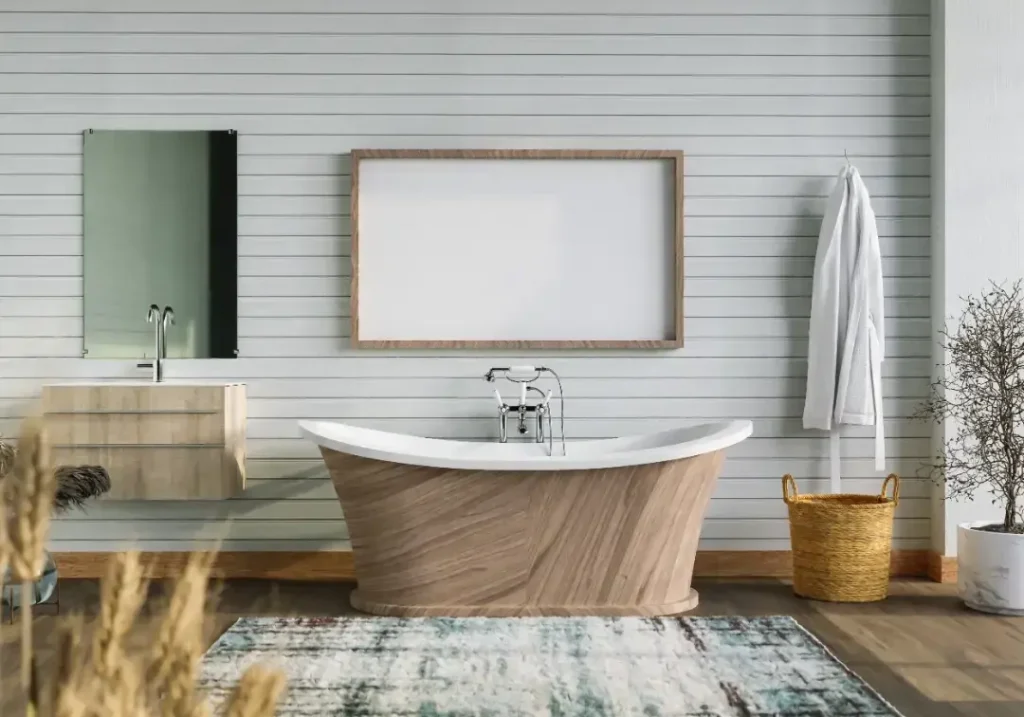
Clawfoot tubs are characterised by their raised feet and vintage aesthetic, often evoking a sense of nostalgia. They typically feature a deep basin, making them well-suited for long, relaxing soaks.
In contrast, slipper tubs have a distinctive design with one end raised higher than the other, allowing for a more comfortable reclining position. This design is particularly beneficial for those who enjoy soaking while resting their back. Both styles offer unique functional benefits, catering to different user preferences.
Modern and Contemporary Freestanding Bathtubs
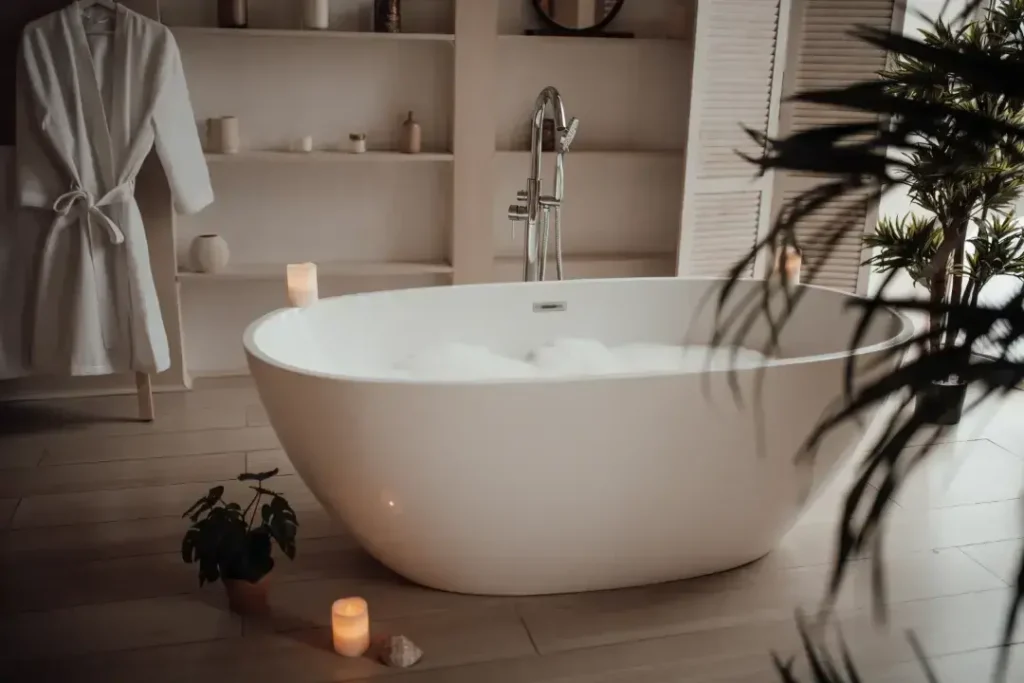
Modern and contemporary freestanding bathtubs emphasise clean lines and minimalist designs. These tubs often feature sleek shapes and are made from materials like acrylic or stone resin, which allow for a variety of finishes.
The focus is on simplicity and elegance, making them suitable for a wide range of bathroom aesthetics. The integration of smart technology in some modern designs also enhances user experience, offering features like temperature control and built-in lighting.
Which material is best for a freestanding bathtub: acrylic, cast iron, or stone resin?
Choosing the right material for a freestanding bathtub is crucial, as it affects durability, maintenance, and overall aesthetic. The most common materials include acrylic, cast iron, and stone resin, each with its own set of advantages and disadvantages.
Pros and Cons of Acrylic, Cast Iron, and Stone Resin Baths
Acrylic bathtubs are lightweight and easy to install, making them a popular choice for many homeowners. They are available in various colours and styles, but may require more maintenance to prevent scratches.
Cast iron tubs are known for their durability and excellent heat retention, providing a luxurious soaking experience. However, they are heavy and may require additional floor reinforcement. Stone resin tubs offer a solid feel and aesthetic appeal, but they can be more expensive.
| Material | Pros | Cons |
|---|---|---|
| Acrylic | Lightweight, easy to install | May scratch and may discolour over time |
| Cast Iron | Durable, excellent heat retention | Heavy, may need floor reinforcement |
| Stone Resin | Solid feel, aesthetic appeal | Higher cost, can be heavy |
Material Choices that Affect Weight, Heat Retention, and Maintenance
The choice of material significantly impacts the weight of the bathtub, which is crucial for installation. Acrylic is the lightest, making it easier to handle, while cast iron is the heaviest, requiring careful consideration of floor support.
In terms of heat retention, cast iron excels, keeping water warm for longer periods, while acrylic may cool down more quickly. Maintenance varies, with acrylic needing regular cleaning to avoid scratches, while cast iron may require periodic refinishing to maintain its appearance.
Stone resin offers good heat retention and is relatively low maintenance, but can be heavy.
How Is a Freestanding Bathtub Professionally Installed in London Homes?
Professional installation of a freestanding bathtub is often recommended to ensure safety and functionality. The process involves several critical steps, including plumbing setup and checking floor reinforcement, particularly in older London homes.
Plumbing and Floor Reinforcement Requirements for Installation
Installing a freestanding bathtub requires proper plumbing to ensure an adequate water supply and drainage. This may involve relocating existing plumbing lines, which should be done by a qualified plumber.
Floor reinforcement may be necessary, especially for heavier materials like cast iron and stone resin, to prevent structural issues over time.
Professional Installation for London Properties
Hiring professionals for bathtub installation is often worthwhile, particularly in London. Local building regulations and conservation area restrictions may apply.
Professionals have the expertise to navigate these regulations and help ensure that the installation is compliant and safe. Moreover, they can address any unforeseen challenges that may arise during the installation process, providing peace of mind for homeowners.
How to Choose the Right Freestanding Bathtub for Your London Bathroom?
Selecting the right freestanding bathtub involves considering various factors, including size, shape, and style, to ensure it fits well into your bathroom design.
Choosing the Right Size, Shape, and Style
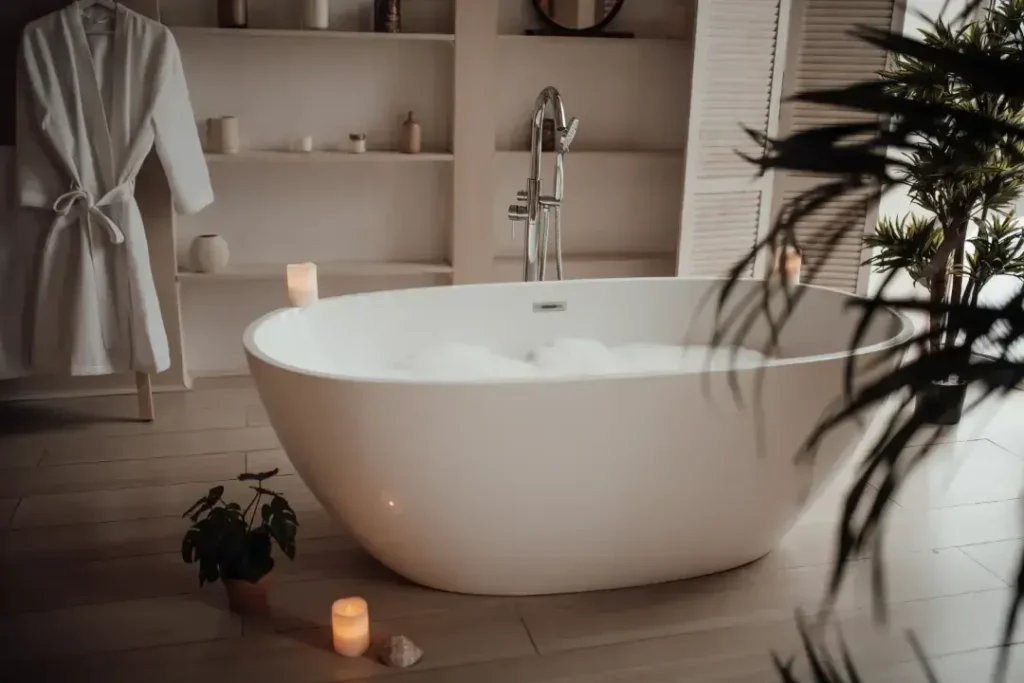
For small bathrooms, compact designs such as slipper tubs or smaller acrylic models are often a good fit, as they maximise space without sacrificing style.
In contrast, larger bathrooms can accommodate more substantial designs, such as clawfoot tubs or expansive modern styles, which can serve as focal points in the room. It’s important to measure your space accurately and consider the overall aesthetic of your bathroom when making a selection.
Budget and Luxury Features that Influence Your Choice
Budget plays a significant role in the selection process. While there are affordable options available, investing in a high-quality freestanding bathtub can enhance your bathroom’s luxury appeal.
Features such as built-in jets, smart technology, and unique finishes can elevate the bathing experience but may come at a higher price point. Balancing your budget with desired features is key to making the right choice.
What Are the Latest 2026 Trends in Luxury Freestanding Bathtubs?
As we move into 2026, several trends are shaping the design and functionality of luxury freestanding bathtubs. These trends reflect a growing emphasis on sustainability, technology, and personalised design.
Smart Features and Sustainable Materials Gaining Popularity
Smart features, such as temperature control and integrated lighting, are appearing more often in freestanding bathtub designs.
These innovations enhance user experience and convenience.
Additionally, sustainable materials and eco-friendly finishes are being considered more often as homeowners become more environmentally conscious. These materials can reduce environmental impact and offer unique aesthetic qualities.
Matte Finishes and Accessibility Features in Modern Designs
Matte finishes and warm, earthy tones are common choices in bathroom design, creating a warm and inviting atmosphere. These design elements can be incorporated into freestanding bathtubs to create a cohesive look.
Furthermore, accessibility features, such as nearby grab bars and easier entry options, are becoming important considerations for homeowners looking to create inclusive spaces that cater to all users.
How Does TMT Central Bathrooms Integrate Freestanding Tubs into Bespoke Luxury Renovations?
With TMT Central Bathrooms, we offer bespoke bathroom renovations that can incorporate freestanding tubs into luxury designs. Their expertise helps tailor each project to the homeowner’s specific needs and preferences.
The Process for Custom Design and Project Management
The process begins with a consultation to understand the homeowner’s vision and requirements. TMT Central Bathrooms then develops a custom design that incorporates the selected freestanding tub, so it complements the overall aesthetic of the bathroom.
Project management is handled by experienced professionals who oversee key aspects of the renovation, from plumbing to finishing touches, to support a smooth and efficient process.
Examples of Freestanding Tub Designs and Installations in London
This London bathroom renovation company can share a portfolio of past work and a gallery of bathroom design examples, including freestanding tub layouts. 0These examples demonstrate the versatility of freestanding bathtubs in various settings, inspiring homeowners considering a similar transformation.
Frequently Asked Questions
What are the key factors to consider when selecting a freestanding bathtub?
When selecting a freestanding bathtub, consider factors such as size, shape, and material. Measure your bathroom space to ensure the tub fits comfortably without overcrowding. The shape should complement your bathroom’s design, whether you prefer a classic clawfoot or a modern minimalist style. Additionally, the material impacts durability, heat retention, and maintenance needs. Weigh your options between acrylic, cast iron, and stone resin to find the best fit for your lifestyle and aesthetic preferences.
How do I ensure my freestanding bathtub is energy efficient?
To ensure your freestanding bathtub is energy efficient, consider models with good heat retention properties, such as cast iron or stone resin. These materials help maintain water temperature longer, reducing the need for reheating. Additionally, look for tubs with smart features like temperature control, which can optimize energy use. Installing energy-efficient water heaters and ensuring proper insulation around plumbing can further enhance overall energy efficiency in your bathroom.
What are the common mistakes to avoid when installing a freestanding bathtub?
Common mistakes to avoid when installing a freestanding bathtub include neglecting to check floor reinforcement, which is crucial for heavier materials like cast iron. Failing to properly plan plumbing layout can lead to costly adjustments later. Additionally, not considering the tub’s height and accessibility can affect usability. Always consult with professionals to ensure compliance with local regulations and to address any potential installation challenges effectively.
Can I install a freestanding bathtub myself, or should I hire a professional?
While some homeowners may consider a DIY installation for a freestanding bathtub, hiring a professional is often recommended. Professionals have the expertise to handle plumbing, ensure proper floor reinforcement, and navigate local building regulations. They can also address unforeseen challenges that may arise during installation, ensuring a safe and functional setup. Investing in professional installation can save time and prevent costly mistakes in the long run.
What are the advantages of incorporating smart technology into freestanding bathtubs?
Incorporating smart technology into freestanding bathtubs offers several advantages, including enhanced user convenience and comfort. Features like temperature control, built-in lighting, and automated filling can significantly improve the bathing experience. Smart technology can also provide energy efficiency by optimizing water usage and heating. Additionally, some models may include integrated sound systems or aromatherapy options, allowing for a more luxurious and personalized bathing environment.
How do I choose the right accessories for my freestanding bathtub?
Choosing the right accessories for your freestanding bathtub involves considering both functionality and aesthetics. Look for items that enhance comfort, such as bath pillows, non-slip mats, and adjustable showerheads. Decorative elements like stylish trays or candles can add a personal touch to your bathing space. Ensure that the accessories complement the tub’s design and material, creating a cohesive look while also improving the overall bathing experience.
What maintenance is required for freestanding bathtubs?
Freestanding bathtub maintenance depends on the material. Acrylic needs gentle, regular cleaning to prevent scratches and stains. Cast iron may need occasional refinishing. Stone resin is low-maintenance but should be cleaned with non-abrasive products. Always follow the manufacturer’s care instructions.
How can I enhance the comfort of my freestanding bathtub?
Enhancing comfort in a freestanding bathtub can be achieved through several means. Consider choosing a tub with ergonomic features like built-in armrests or a sloped back for better support. Accessories such as bath pillows, non-slip mats, and adjustable showerheads can also improve the bathing experience.
Are there any specific regulations for installing bathtubs in London?
Yes, there may be requirements for bathtub installation work in London. Extra rules can apply in conservation areas or listed buildings. Homeowners should follow Building Regulations for plumbing and drainage work. You may also need approval for certain changes. Consult professionals who know the regulations to stay compliant and avoid installation issues.
What are the benefits of choosing a bespoke freestanding bathtub?
A bespoke freestanding bathtub offers several advantages, including customisation to fit your specific space and design preferences. You can select the size, shape, and material that best suit your bathroom’s aesthetic and functional needs. Bespoke options add features like smart tech or custom finishes for more comfort, luxury, and a better fit for your lifestyle.